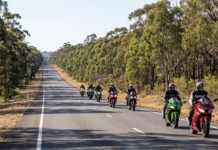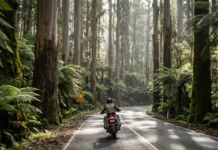

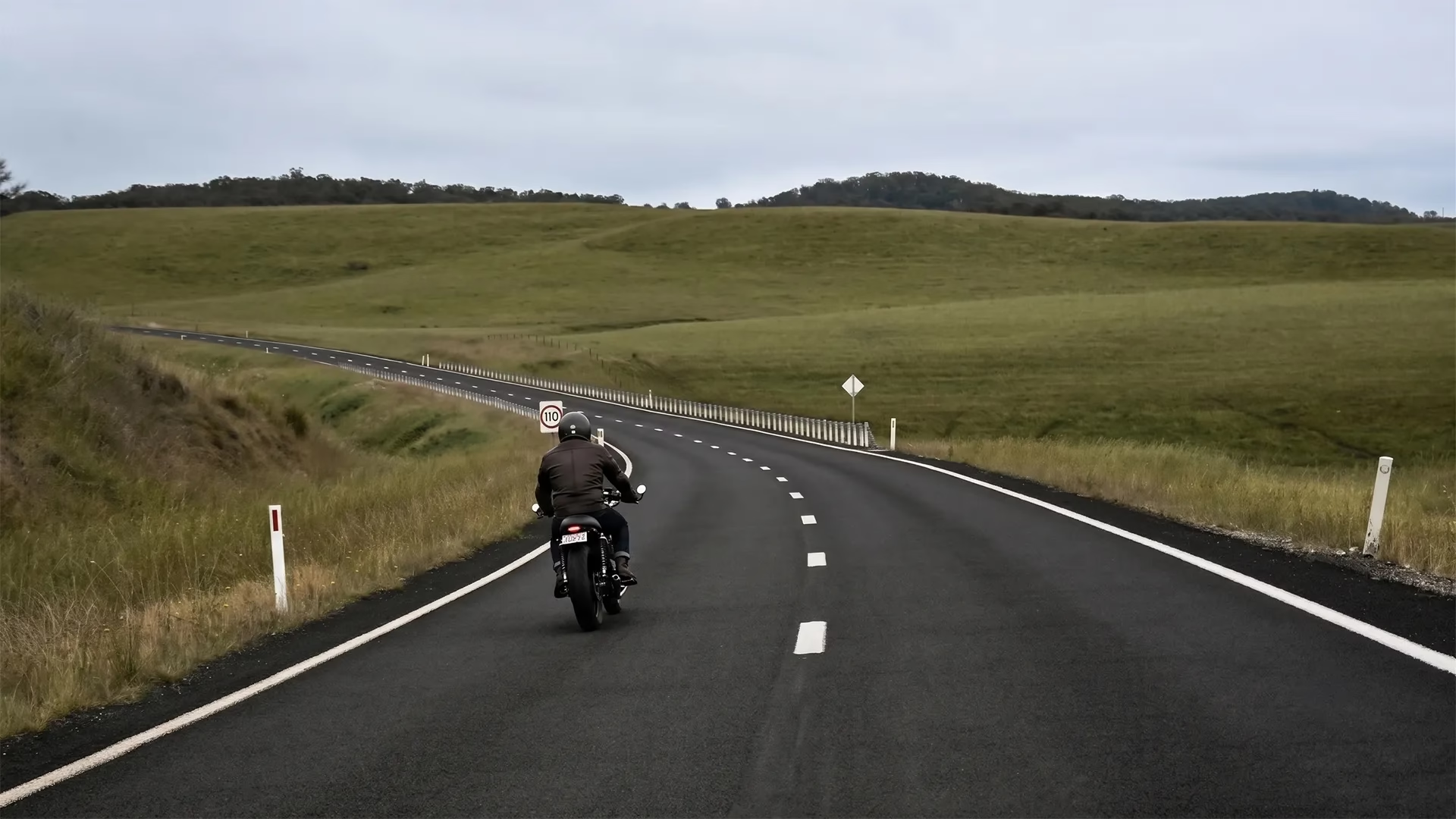
Stretching 150 kilometres between Wauchope on the NSW mid-north coast and Walcha on the Northern Tablelands, the Oxley Highway delivers the kind of riding that stays with you. Not because it’s the most extreme road in the country, but because it does everything well: the corners flow, the scenery is relentless, and the whole experience has a quality that’s hard to put into words until you’ve ridden it yourself. This is that road.
The Route
The classic approach is east to west, starting in Wauchope and climbing toward Walcha. From sea level, the road rises quickly into the Oxley Wild Rivers National Park, gaining over 1,000 metres of elevation as it winds through the ranges.
The first section out of Wauchope is warm-up territory: sweeping bends, good visibility, the road gradually tightening as you gain altitude. By the time you reach the Ellenborough Falls turnoff, the road has your full attention.
The middle section through the ranges is where the Oxley earns its reputation. Tight, technical corners give way to flowing sweepers, then back again. The surface is generally well-maintained, the sightlines are honest, and the road demands that you stay focused for every one of its 150 kilometres.
Wollomombi Falls
About halfway along, near Armidale, the Wollomombi Falls lookout is worth a stop. One of the tallest waterfalls in Australia, it sits just off the highway and takes about ten minutes out of your day. The views across the gorge are the kind that remind you why you chose two wheels over four.
It also serves as a natural midpoint to stretch, check in with yourself, and get ready for the second half.
Walcha
Walcha is your endpoint and a worthy one. The town has a quiet, unhurried character and enough cafes and pubs to make a proper stop of it. If you’re doing the Oxley as an overnight trip (and you should consider it), Walcha is where you base yourself before the return run the next morning.
The return east, Walcha to Wauchope, reveals an entirely different ride. The corners hit differently in the other direction, the light changes, and you’ll find lines you missed the first time through. Most riders say the return is better.
What to Watch For
The Oxley’s reputation can breed overconfidence. A few things demand respect.
Road surface changes are common, particularly through shaded sections in the national park where moisture lingers after rain. The road also carries local traffic including farm vehicles and the occasional truck on blind crests. Give everything plenty of room.
Wildlife is active at dawn and dusk. Wombats in particular are a serious hazard on the Oxley: solid, low, and unpredictable. If you’re riding early or late, slow down through the national park sections.
Fuel up in Wauchope before you start. Options are limited through the ranges.
When to Go
Spring and autumn are the sweet spots: mild temperatures, good road conditions, and the national park looking its best. Summer can bring afternoon storms that roll in fast, and winter sees cold, damp conditions through the ranges that make the shaded sections treacherous.
Midweek riding is worth the effort if your schedule allows. The Oxley on a quiet Tuesday is a different experience to a Saturday when the road fills with riders and touring groups.
The Basics
Route: Wauchope to Walcha via Oxley Highway (B63)
Distance: ~150km one way
Best time: Spring or autumn, midweek mornings
Watch for: Wildlife at dawn/dusk, damp surface under canopy, farm vehicles
Fuel: Fill up in Wauchope before departure
Overnight: Walcha has accommodation if you want to do it properly
Planning a Victorian ride too? Our Black Spur guide covers Victoria’s answer to the Oxley.